Residential Movers in Augusta, GA
Augusta Georgia Movers relocates households around Augusta, from a one-bedroom apartment to a four-bedroom family home and every size between. The job covers the full house, garage and attic included, spaces that tend to be remembered at the last minute. Furniture is padded, taken apart where needed, and rebuilt in the rooms you choose. Send both addresses and your date to begin.
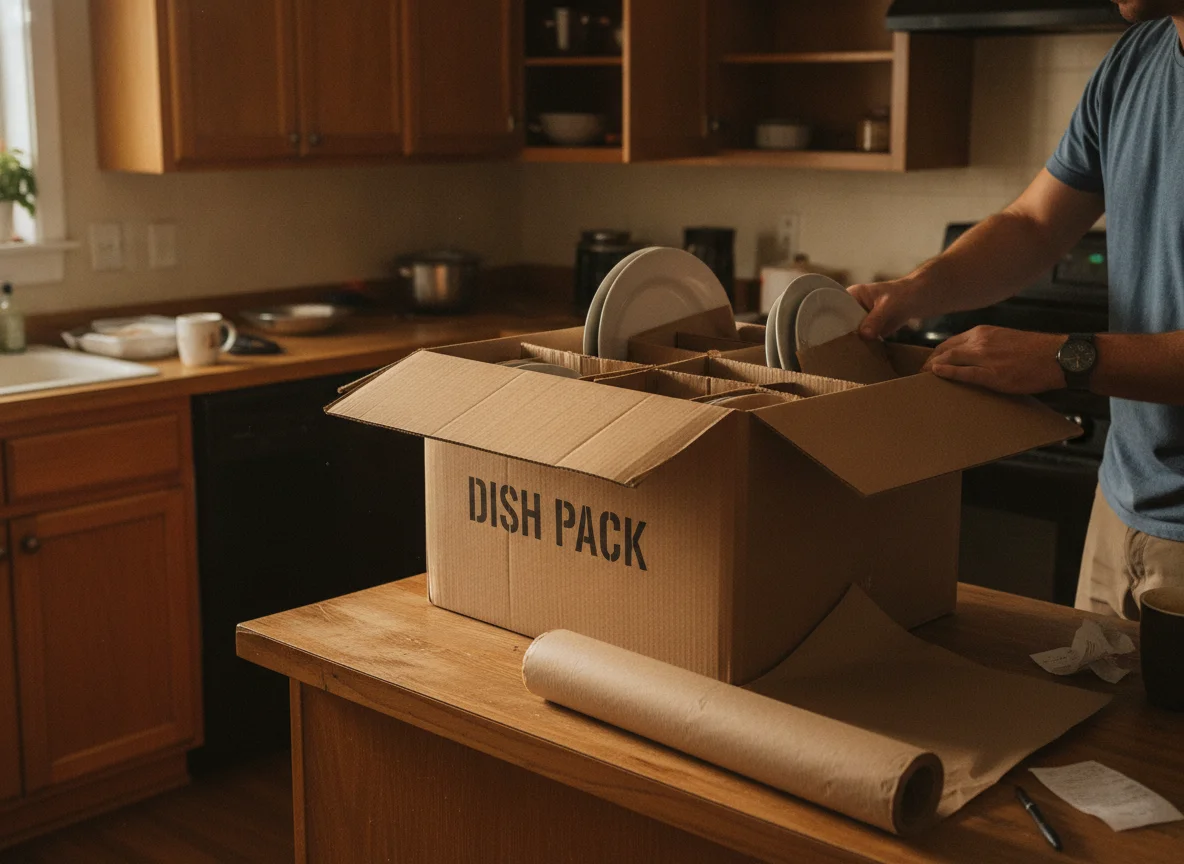
A full house, taken room by room
A house move differs from other kinds of work because it is really eight or nine small jobs bundled together, each with its own headaches:
Kitchen
Is the slowest space and tends to set the day's pace. Dishes and glasses belong in divided dish packs rather than newspaper wraps. Go through the pantry instead of boxing it whole: open bottles, leakers, and expired goods get set aside. Small appliances travel with their own cords and parts. The refrigerator is emptied and defrosted the evening before, and its water and ice-maker lines are drained, which adds more time than most people allow.
Sleeping rooms
Dismantling goes fast; reassembly drags. Frames are unscrewed and their bolts bagged, tagged, and attached to the correct bed. Hanging garments move straight from closet to wardrobe carton and back onto the rack still on hangers, which saves hours and plenty of ironing. A large primary closet always holds more than expected, so allow for it.
Children's rooms
Go in the truck last and come out first. Keep a box of their favorite things with you instead of loading it, and put sheets on the bed at the new house before touching anything else.
Living areas
Bring a tape measure. Every couch gets compared with the door width before lifting, flat-screen sets travel standing in made-for-the-purpose boxes, and mounts remain on the wall unless an electrician comes to pull them and the cabling.
Study or office
Photograph the cables before unplugging anything. External drives, backups, and anything not stored online should travel in your own car.
Baths
Tiny rooms that leak. Seal shampoo and cleaners in two bags, keep them standing, and box them apart from linens.
Garage, basement, shed, and attic
Together these four hold the biggest surprise of any house move, so start there. Gas mowers and chainsaws need draining, paint and chemicals need separating before moving day, and the attic deserves clearing while you can still decide what's worth carrying. Far more moves run behind over the garage than over sofas.
Yard
Deck chairs, barbecue grills, flower pots, and backyard play structures need unbolting, and a grill's gas cylinder never rides in the truck.
What belongs to the house
Settle this early; nothing sparks more closing-table fights. Fixtures such as built-in appliances, lighting, ceiling fans, blinds, bolted-down shelving, and TV brackets normally count as part of the property rather than your belongings, yet normally is not binding. Look at the wording in your purchase or lease paperwork, and mention what goes and what stays ahead of time. An item in doubt is far easier to settle with the other side a week early than while movers wait in the hall, so don't leave any open.
Lining up with the closing or lease deadline
Receiving keys to the new place right as you hand over the old one is the ideal, though rarely what happens. Gaps tend to fall into two patterns, and both are manageable when flagged early:
A stretch between leaving and arriving.
Everything sits in a storage facility until the second date arrives, which beats an idle loaded truck, and you get by on a suitcase.
Dates overlap.
The easier case: use two days, put up beds and unpack the kitchen on day one, then clear the garage.
Whichever it is, raise the alarm early if closing and possession dates drift apart. Planned gaps are simple to schedule; a surprise on moving morning is a mess.
On the day, with everyone still at home
Arrange for kids and pets to spend the day elsewhere, or shut them in a room. With July highs around 94 degrees, never leave animals in a parked vehicle. Open doors, unlatched gates, and bulky loads squeezing through hallways are risky for both.
Load your car with an essentials box: sheets, towels, toiletries, chargers, prescriptions, coffee, spare clothes, and your moving paperwork, so none of it rides on the truck.
Have someone at the destination who knows each item's room, and who checks the inventory sheet and notes any damage before signing off.
Plan food. Moves run longer than anyone expects, and lunch tends to occur to people only when everyone is hungry.
What drives the cost
What you pay depends on volume, how much furniture is taken apart, how far along your own packing is, and, often the heaviest factor, how awkward the home is to load out. Staircases, a long walk to the curb, a driveway a truck can't enter, and narrow doors count for more than square footage. In a dispute, a written estimate is the first paper you'll reach for, per the Georgia Department of Public Safety moving guide. The local moving page digs deeper.
Moving out of state? Georgia's DPS covers only in-state moves, so see long distance moving.
How belongings stay protected
Beyond the pads and blankets used on every job, a house move relies on a few specialty items:
Hanging cartons
Clothes stay on their hangers throughout.
Divided cartons for dishes
Glassware and china survive transit in cells far better than they do wrapped in newspaper.
Cartons for art and mirrors
Cartons for pictures, mirrors, and glass tops, moved standing.
Mattress covers
Which keeps them clean from stair walls and pavement.
Dollies and straps for appliances
For the washer, dryer, and refrigerator, with a washer's shipping bolts reinstalled so its drum doesn't hammer the cabinet.
Floor protection, jamb pads, and stair rail wrapping
Used at both houses, since the house usually takes more punishment during a move than the furniture does.
Homes served include Country Club Hills, Fairview Gardens, Belvedere, Clearwater, Beech Island, North Augusta, and other neighborhoods near Augusta.
Quick answers
Can appliances be moved?
Washers, dryers, and refrigerators can be moved. Anything gas-fed or hard-wired must be disconnected by an appropriate tradesperson first, and that person reconnects it on arrival too. It isn't moving work, so line it up on its own, early. If appliances remain with the house, tell the planner at the outset to avoid wrapping them by accident.
What if closing gets pushed?
Say so the minute you learn of it. Slipping dates are common in a sale, and a scheduling issue rather than a disaster, though it's far smaller a week ahead than the night before.
Can the move be spread over two days?
Splitting a bigger home across two days usually works out better, assuming you can get into both places early. Mattresses, cookware, and the kids' things move first so there's somewhere to sleep that evening; the rest follows.
How long does boxing everything take?
Longer than anyone guesses, and the kitchen and garage always run over. If you want out of it altogether, packing services handles the entire home or only selected rooms, with the kitchen the one most often passed along to someone else.
Are business moves handled too?
Yes. An office relocation follows a different plan, often scheduled outside trading hours; commercial moving explains.
Planning a house move?
Tell the planner your starting point and destination, how many bedrooms there are, when you hope to finish, and whether the dates are settled. Add anything huge, fragile, or hard to maneuver. With that, planning can start.