The best answer to what to keep with you when moving is to carry health items, identity papers, valuables, comfort items, money, pet supplies, and urgent needs. Keep these things in a labeled bag or personal car. They should not go inside the moving truck, where they may be hard to find.
Moving day is easier when key items stay close. The truck could arrive late, boxes may be buried, and plans can change. A small personal kit helps each person get through travel and the first night without opening every box.
For Augusta households, Augusta Georgia Movers can help with careful loading, unloading, and transport. You should still choose which items stay in your care. This guide explains what to pack, what to carry, and what to check before leaving.
Table of Contents
- What should you keep with you when moving?
- Which important documents should you carry yourself?
- What medications and health supplies should stay with you?
- Which valuables should never go on the moving truck?
- What clothing and toiletries do you need for the first night?
- What food, cleaning supplies, and tools should you keep handy?
- How can you check your essentials before leaving and after arrival?
- Frequently Asked Questions
- Key Takeaways
- Conclusion
What should you keep with you when moving?
The main items to keep close are documents, medicine, valuables, clothes, chargers, food, and simple tools. Each person should have a small bag or box in a personal vehicle. These items should not be under furniture or mixed with truck-loaded belongings.
Why an essentials bag matters on moving day
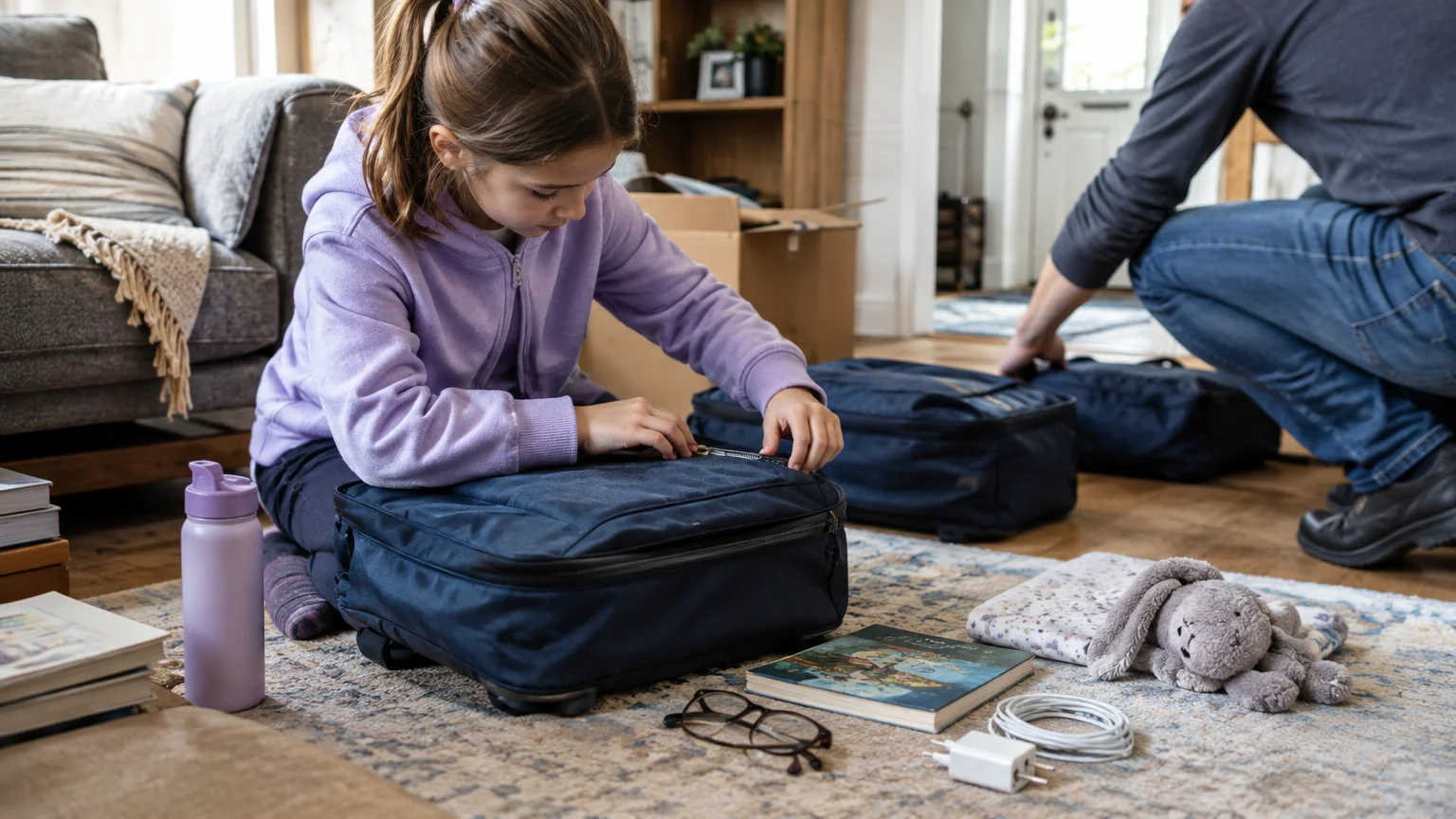
An essentials bag holds what you need during travel and the first night. It may include water, snacks, a phone charger, clean clothes, toiletries, medicine, and keys. Children may need comfort items, books, or quiet games. Pets need food, water, medicine, leashes, carriers, and waste bags.
A moving day checklist helps prevent rushed choices. Each person can pack a personal bag. One shared bag can hold documents, tools, cleaning items, and spare batteries. Use bright labels so every bag is easy to spot.
The answer to what is a good moving bag is simple: it is small, labeled, and easy to carry. It should hold daily needs without becoming so full that items are hard to find. Pack it before the movers arrive.
How to separate personal items from truck-loaded belongings
Pack personal items before moving help arrives. Put them in a locked car, a marked room, or another agreed place. Tell the moving team which things are not part of the load. This step helps prevent mistakes during a busy move.
Augusta Georgia Movers can help homeowners, tenants, and business owners plan safe loading and unloading. A clear plan also helps office managers keep records, computers, access cards, and other work items nearby.
If you are comparing services or asking for a moving estimate, list the items that need special care. This helps the team understand the work before moving day. Keep your personal bags separate, even after the estimate is complete.
Which important documents should you carry yourself?
Important documents should travel with the person who needs them. Do not place them in the moving truck. Paper records may be lost, damaged, or hard to find. Digital copies help, but original papers still need safe care.
Identification, housing, employment, and school records
Keep driver licenses, passports, birth certificates, leases, closing papers, and vehicle records together. Employment papers, school records, custody papers, and pet documents may also matter. Place them in a waterproof folder or small document case.
Do not put these papers in a box labeled with a room name. A personal case is easier to protect and find. It should stay with an adult during travel.
If you rent, keep your lease, move-out notes, and landlord records close. Homeowners should keep closing papers, keys, repair records, and insurance details nearby. Business owners may also need permits, access cards, client files, and office records.
Medical, insurance, and financial paperwork
Carry insurance cards, medical records, prescription details, bank papers, and account information. Keep claim records and the moving inventory easy to reach if something arrives damaged. A moving claim is a written request for help after covered loss or damage.
Review the mover’s documents before moving day. Ask questions about protection, damaged goods, or delivery as early as possible. Save copies of signed forms in a secure digital folder.
Do not leave a wallet, checkbook, or account papers in a packed box. Keep them with your other important records. This protects your identity and helps you handle urgent needs during the move.
What medications and health supplies should stay with you?
Prescription medicine, daily health equipment, and basic first-aid items should stay with the person who uses them. A truck may be delayed. Heat, cold, or moisture may harm some supplies. Keep medicine in its original container when possible.
Prescription medications and daily health equipment
Pack enough medicine for the trip and the first days at home. Include inhalers, glucose supplies, hearing aid items, glasses, contact supplies, mobility aids, and medical device chargers. Ask a doctor or pharmacist about special storage needs.
Keep medicine away from direct sunlight and unsafe temperatures. It should also stay away from children and pets. A cooler may help with some products, but follow the product label or medical advice.
Do not place medicine in a suitcase that may be loaded by mistake. Put it in a small bag that stays with the person who needs it. Add a written list of medicines for quick reference.
First-aid items and basic personal-care supplies
A small health kit can include bandages, pain medicine, hand cleaner, tissues, masks, and regular care items. Keep allergy medicine and emergency supplies easy to reach. People with special needs should make a personal list before moving.
You do not need a professional mover to sort and label these items. This is a safe task for most homeowners, tenants, and families. Professional help is useful when heavy boxes, large equipment, stairs, or tight spaces create injury risks.
Which valuables should never go on the moving truck?
Small valuables and irreplaceable items should stay with the owner when possible. This includes jewelry, cash, keys, small electronics, family keepsakes, and items with deep personal value. Their small size makes them easy to carry and protect.
Jewelry, cash, small electronics, and sentimental items
Keep watches, rings, coins, gift cards, laptops, tablets, cameras, hard drives, and important keys in a personal bag. Family photos, letters, artwork, and heirlooms may be impossible to replace. A truck is not the best place for items that cannot be restored.
Keep only the cash needed for the trip in a secure wallet or case. Charge devices before leaving. Pack cords, plugs, and power banks in one labeled pouch.
Business owners should carry company laptops, access cards, records, and small devices. These items may be needed as soon as the new office opens. Tenants and homeowners should use the same care with house keys and personal records.
How to protect irreplaceable belongings during transport
Wrap fragile keepsakes in soft material and place them in a firm case. Make a short list of what each case holds. Photos may help show the condition of valuable items before travel.
Some large valuables need a special plan. A piano, safe, antique cabinet, or large artwork may need extra equipment and trained handling. Discuss these items before moving day instead of setting them aside at the last moment.
What clothing and toiletries do you need for the first night?
Each person should pack enough clothing and toiletries for travel, delays, and the first night. The truck may arrive later than expected. Bedroom boxes may also be hard to reach. An overnight bag keeps the first evening calm.
Packing a practical overnight bag for each household member
Include sleepwear, underwear, socks, a shirt, comfortable clothes, shoes, and needed weather gear. Add toothbrushes, toothpaste, soap, shampoo, towels, hair items, and toilet paper. Babies may need diapers, wipes, formula, bottles, and spare clothes.
A first-night bag should also hold chargers, glasses, reading items, and a comfort item. Mark each bag with the owner’s name. Pack one for each child instead of putting all personal items in one large case.
Keep a small bag for work clothes if you must report to work soon after arrival. Business owners and office workers may also need clean clothes, access cards, and basic desk items. These needs should stay in a personal vehicle.
Preparing for weather, delays, and limited access to boxes
Check the forecast before leaving. Add a coat, rain gear, sunscreen, gloves, or a hat when needed. Shoes should work for walking through a home with dust, tools, or loose packing material.
Do not assume the truck will arrive that same day. Carry enough personal items for a delay. Renters, homeowners, and office workers can all benefit from one full change of clothes and basic toiletries nearby.
What food, cleaning supplies, and tools should you keep handy?
Keep simple food, water, pet supplies, child items, cleaning products, and basic tools with your household. These items help with the first meal, quick messes, and small setup tasks. They also reduce the need to search through packed boxes.
Moving-day snacks, water, pet supplies, and child essentials
Pack food that travels well, such as fruit, sandwiches, crackers, and shelf-stable snacks. Bring refillable water bottles, napkins, and trash bags. Pets need food, bowls, medicine, leashes, carriers, and familiar bedding.
Children may need snacks, cups, wipes, books, and comfort toys. Keep these items in the family vehicle. Food should not sit in a hot car for long. Use safe storage and replace food that becomes unsafe.
If you are moving with a pet, keep its records and medicine close. A familiar blanket may help the animal settle in. Keep pets in a safe area away from open doors during loading and unloading.
Basic cleaning and setup items for the old and new home
A small cleaning kit can include paper towels, all-purpose cleaner, sponges, gloves, and trash bags. Basic tools may include a tape measure, screwdriver, pliers, scissors, a box cutter, batteries, and a flashlight. Keep sharp tools closed and away from children.
Do not mix cleaners. Follow each product label. A homeowner can safely handle light cleaning and simple setup work. Heavy lifting, appliance movement, and awkward furniture should be left to trained help.
How can you check your essentials before leaving and after arrival?
Check your essentials before the truck leaves and again after reaching the new home. A short review can catch missing medicine, keys, documents, or valuables. It also creates a record if something is damaged or missing.
Using a final-car checklist before the truck departs
Walk through each room before the doors close. Look in drawers, closets, cabinets, the refrigerator, and outdoor storage. Then confirm that personal bags, documents, medicine, valuables, keys, chargers, and pet supplies are in the personal vehicle.
Use this final checklist:
- Confirm every person has a bag, phone, charger, and needed medicine.
- Check that documents, keys, wallets, and valuables are secure.
- Verify pets and children have food, water, and comfort items.
- Photograph empty rooms and any damage that was already present.
- Confirm destination details and the delivery plan with the moving team.
The day of moving can feel rushed, so assign one person to this check. Do not rely on memory alone. A written list helps you know what to keep with you when moving and what the movers should load.
What to do if an essential item is missing or damaged
Search personal bags and the new home first. Ask whether the item was placed in a labeled box or another vehicle. If a truck-loaded item is missing or damaged, take clear photos and keep the box, wrapping, and inventory records.
Contact the moving company through its normal support channel. Follow the written claim process. Augusta Georgia Movers can explain available moving services and help customers prepare for a smoother move in the Augusta area and nearby communities.
Keep messages clear and save copies of records. Do not throw away damaged packing materials until the review is complete. These steps can help the company understand what happened.
Frequently Asked Questions
Should jewelry go in the moving truck?
Jewelry should usually stay with its owner. Small valuables can be lost or damaged during loading, transport, or unloading. Place jewelry in a secure case and keep it in a locked vehicle or on the owner. The same approach works for cash, small electronics, family keepsakes, and important keys.
Should medicine go in a moving box?
Medicine should stay with the person who needs it. A moving truck may be delayed, and some products need protection from heat, cold, or moisture. Pack prescriptions, health devices, and first-aid supplies in a personal bag. Keep medicine in labeled containers and follow storage directions.
What should a family pack for the first night?
A family should pack clothing, toiletries, chargers, medicine, food, water, towels, and comfort items. Children may need diapers, wipes, books, or favorite toys. Pets need food, bowls, leashes, carriers, and medicine. These supplies should stay in a car, not inside a hard-to-reach truck box.
Should important papers travel with the movers?
Important papers should travel with the owner. Identification, leases, closing papers, medical records, insurance cards, school records, and financial documents can be hard to replace. Keep them in a waterproof folder or case. Digital copies help, but they do not replace safe care of original papers.
What happens if something essential is missing after delivery?
First, check personal bags, labeled boxes, and the vehicle. Then review the inventory and take photos of any damage. Contact the moving company promptly and follow its written claim steps. Keep packaging and records until the matter is resolved. Clear notes can make the review easier.
Key Takeaways
- Keep medicine, documents, valuables, keys, and chargers with the owner.
- Pack a first-night bag for every household member.
- Carry food, water, pet supplies, and basic tools in a personal vehicle.
- Check every room before the truck leaves.
- Photograph damage and save records if an item is missing.
Conclusion
The safest moving day plan keeps essential items close and easy to find. Documents, medicine, valuables, clothes, food, and basic tools should not be buried on the truck. A short checklist can protect comfort, health, and peace of mind during a busy move.
Augusta Georgia Movers helps customers plan moving support for homes, apartments, offices, and nearby communities. Contact us today to discuss the moving help that fits your job.